A property factor is appointed by homeowners to manage, maintain, and protect the shared parts of a building.
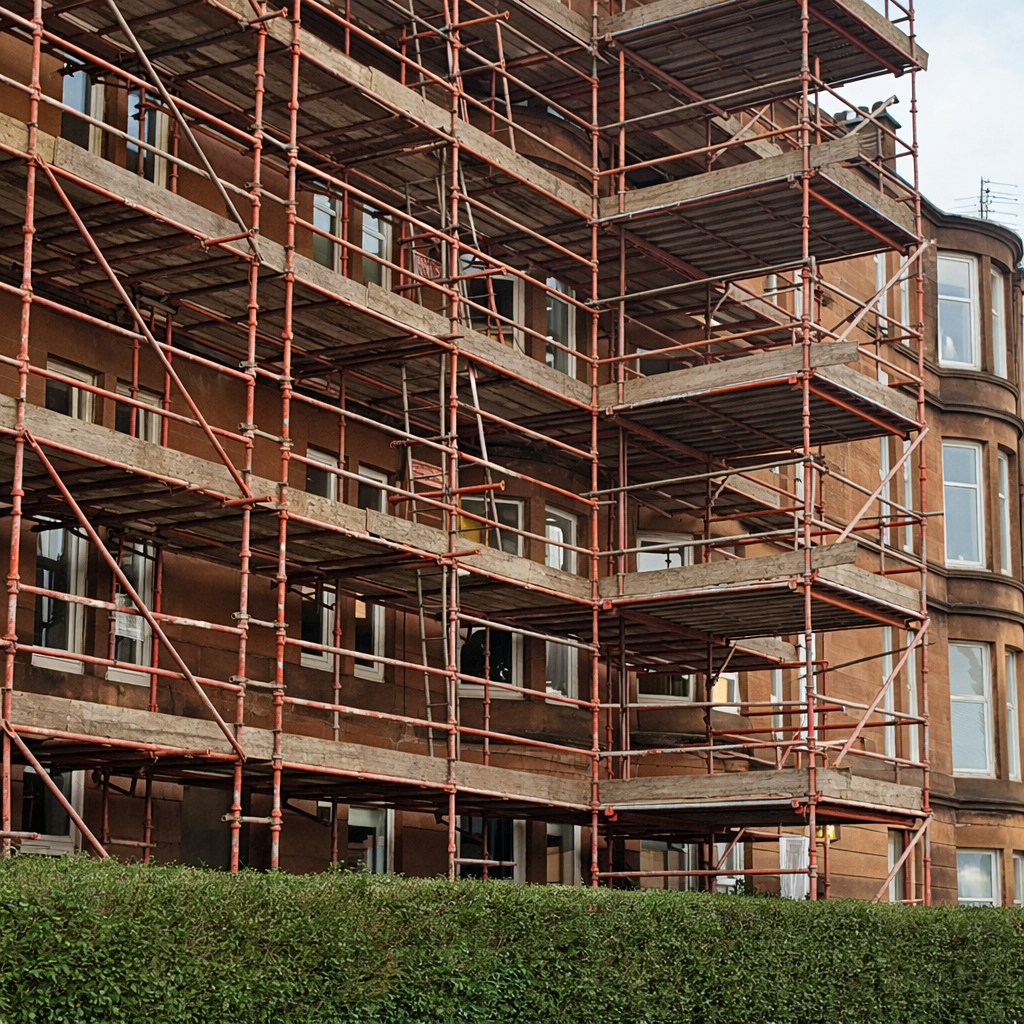
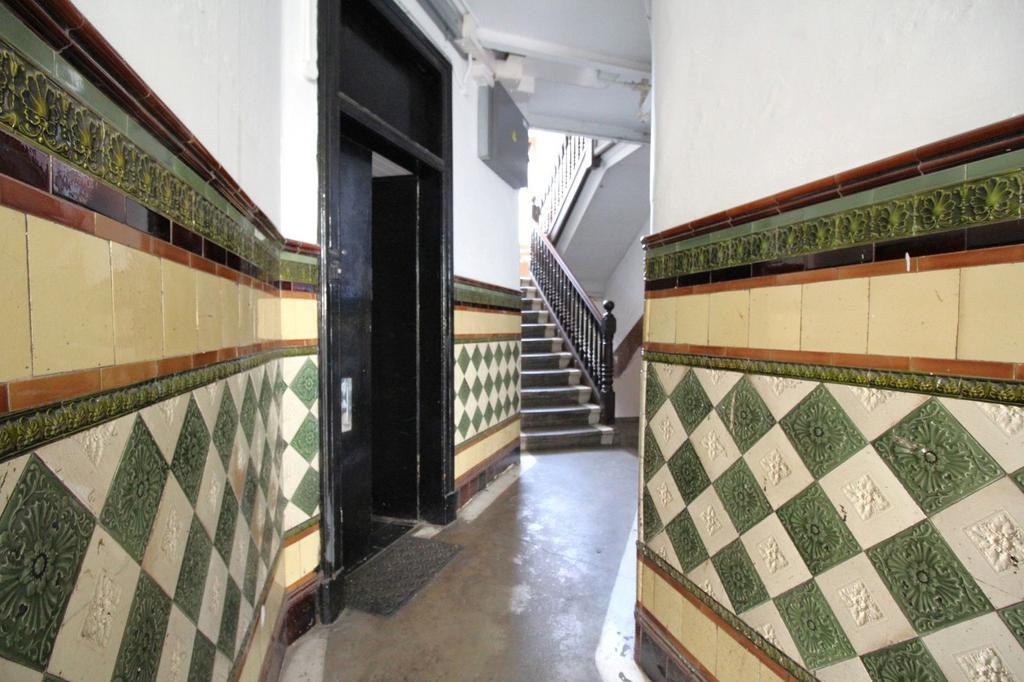
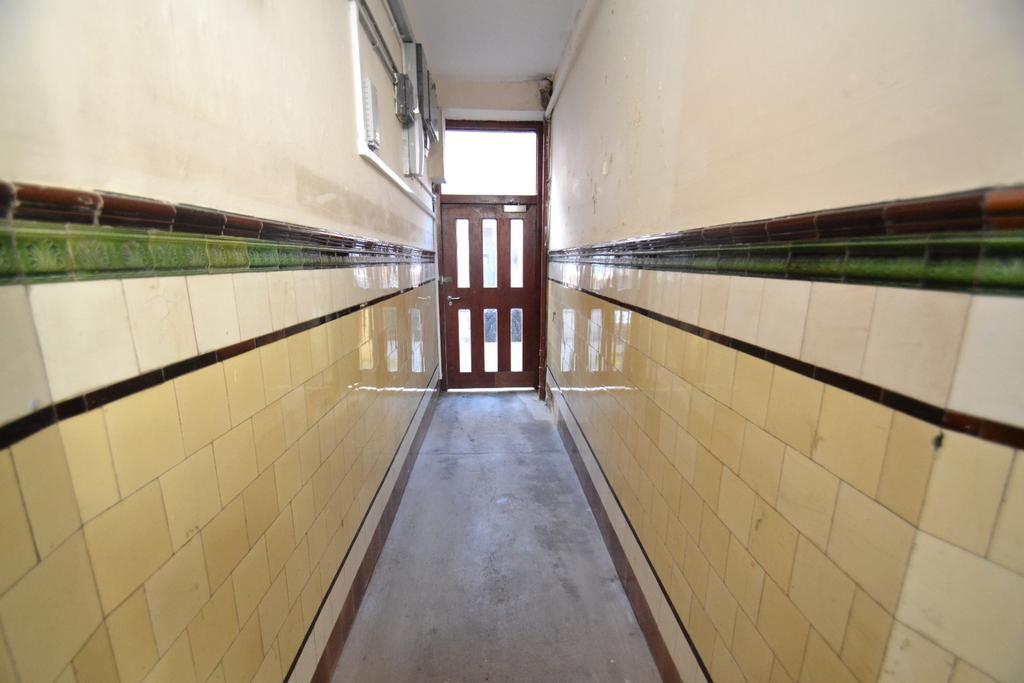
In traditional tenements, this includes everything that is jointly owned, such as the roof, gutters, close, back court, drainage systems, and external building fabric.
Without a factor, owners are responsible for organising repairs themselves — often leading to delays, disputes, and further damage.
A factor removes this burden entirely.
What Is a Property Factor?

A property factor (sometimes referred to as a managing agent) is responsible for the management and maintenance of shared parts of a building or land owned by multiple homeowners.
This typically includes:
-
Shared entrances and stairwells
-
Roofs and gutters
-
External walls and structure
-
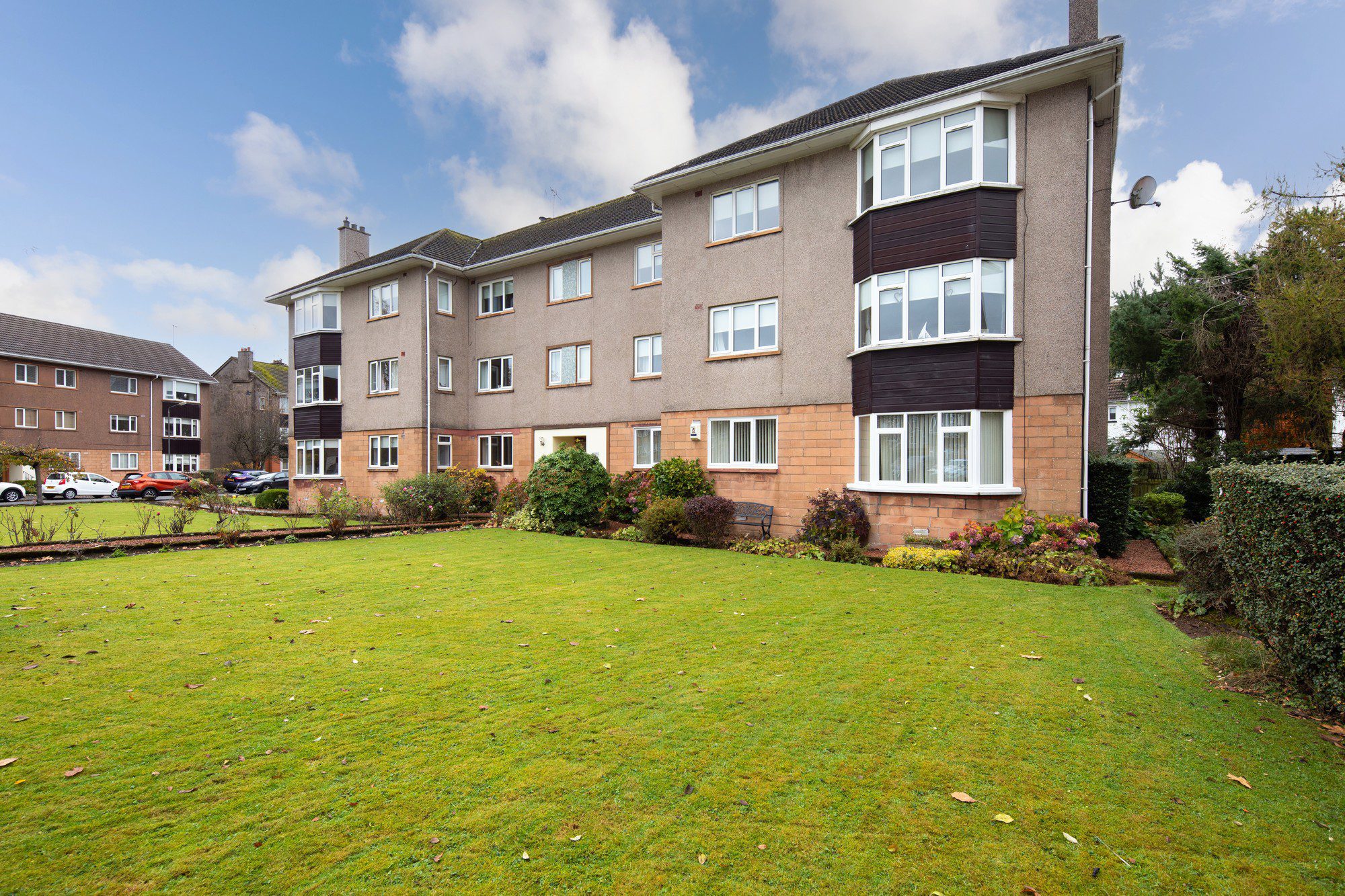
Back courts and gardens
-
Drainage and communal systems
In simple terms — a factor ensures that everything outside your individual flat but within the building is properly maintained and managed.

What Does a Factor Actually Do?
A professional factor takes full responsibility for organising and managing all communal matters, including:
-
Arranging repairs (e.g. leaking roofs, damaged gutters)
-
Organising maintenance such as cleaning or grass cutting
-
Managing common insurance policies
-
Coordinating contractors and overseeing works
-
Communicating with all owners
Rather than owners trying to organise works themselves, a factor acts as the central point of control, ensuring everything is handled properly and efficiently.


Why Property Factoring Is Important
In traditional tenement buildings, responsibility for the upkeep and maintenance of common areas is shared between all owners. Without a structured approach to management, this shared responsibility often leads to delays, miscommunication, and unresolved issues.
Without a Property Factor
Where no factor is in place, repairs are often postponed, owners may disagree or fail to contribute, and relatively minor defects can escalate into significant structural problems over time. This is particularly critical in relation to roofing and external building fabric, where early intervention is essential to prevent costly deterioration.
With a Professional Property Factor
The appointment of a professional property factor introduces clear structure, accountability, and efficiency. Maintenance issues are identified at an early stage, repairs are organised and managed appropriately, and costs are apportioned fairly in accordance with title deeds or relevant legislation. As a result, the building is maintained to a consistent standard and protected for the long term.
Who Can Act as a Property Factor
A property factor may be a private company, a local authority, or a registered social landlord. Regardless of who is appointed, all property factors operating in Scotland are required to be registered and to adhere to strict legal and regulatory standards.
Regulation and Legal Compliance
Property factoring in Scotland is governed by the Property Factors (Scotland) Act 2011 and the Code of Conduct for Property Factors. These regulations ensure transparency in communication and costs, the provision of clear written service agreements, formal complaints procedures, and overall accountability to homeowners.
Do You Need a Property Factor?
Many buildings either:
-
Already have a factor written into their title deeds
-
Appoint one through agreement between owners
-
Or attempt to self-manage
However, self-management often leads to:
-
Delays in repairs
-
Disputes between neighbours
-
Poor organisation
-
Increased long-term costs
A professional factor removes this risk and ensures your building is consistently maintained and properly managed.

If your building is considering appointing a new factor, we begin by visiting the property to carry out an inspection so we can understand the condition of the building and its maintenance needs.
Following this, we provide owners with a short building report and a quote for our factoring services.
If a majority of owners agree to appoint us (in line with the Tenement Management Scheme – Tenements (Scotland) Act 2004), we then assist with notifying the current factor and arranging the transfer of management.
Thinking About Changing Factors?

Can You Change Your Factor?
Yes — homeowners can change their factor, although the process depends on:
-
Title deeds
-
Owner agreement levels
-
Existing contracts
We can guide you through the process and assist with:
-
Reviewing your current setup
-
Advising on requirements
-
Managing a smooth transition
Our Property Factoring Services
We provide a complete and tailored property factoring service, designed to ensure every aspect of your building is properly managed and maintained.
Core Services Include
-
Roof inspections, repairs, and ongoing maintenance
-
Gutter cleaning and drainage management
-
Close cleaning and general communal upkeep
-
Contractor procurement, management, and supervision
-
Emergency repairs and reactive maintenance
-
Planned maintenance programmes
-
Budgeting and long-term cost management
Professional Delivery & Owner Choice
Our in-house team consists of trained and experienced operatives, particularly skilled in roofing and traditional tenement maintenance, allowing us to carry out a wide range of works directly and to a high standard.
Where required, we also work alongside a network of trusted, fully qualified contractors, carefully selected based on their experience, reliability, and professional standards.
Importantly, owners are given the option to approve or nominate contractors where appropriate, ensuring transparency and confidence in how works are instructed and delivered.
This combined approach ensures:
-
Consistent quality of workmanship
-
Clear accountability at all stages
-
Flexibility for owners
-
High standards maintained across all properties
Our structured service provides a reliable and professional solution, ensuring your building is properly looked after.